Viscous Mobile Phases and Their Impact on HPLC Pump Performance
Learn how to troubleshoot Viscous Mobile Phases and Their Impact on HPLC Pump Performance: checks, likely causes, and corrective actions to improve reproducibility.
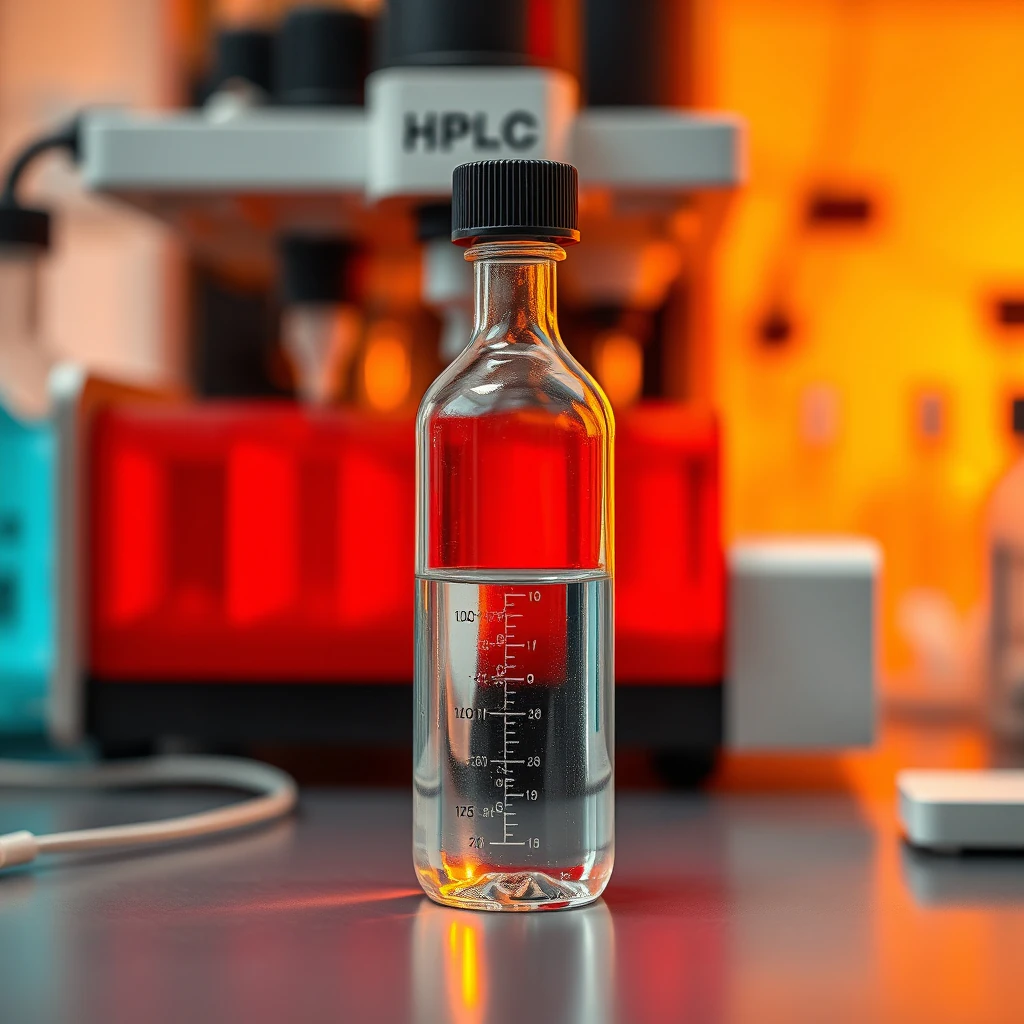
Viscous Mobile Phases and Their Impact on HPLC Pump Performance
A Technical Guide to Pressure, Flow Stability, and Pump Wear in Liquid Chromatography
Introduction
High-Performance Liquid Chromatography (HPLC) is a core analytical technique for the separation, identification, and quantification of chemical compounds across pharmaceutical, environmental, clinical, and industrial laboratories. Central to reliable HPLC operation is the mobile phase—the solvent or solvent mixture that transports analytes through the column under high pressure.
One often underestimated property of the mobile phase is viscosity. Mobile phase viscosity directly governs system backpressure, pump mechanical load, flow accuracy, and long-term pump reliability. As method conditions change—particularly during gradient elution or when using aqueous-rich or methanol-rich solvents—the viscosity experienced by the HPLC pump can vary substantially.
This article provides a detailed, mechanism-based explanation of how viscous mobile phases affect HPLC pump performance, including terminology, physical principles, operational consequences, and practical mitigation strategies relevant to analytical HPLC and UHPLC systems.
Key Technical Terms
Viscosity: A measure of a fluid’s resistance to flow, commonly expressed in centipoise (cP). Higher viscosity corresponds to increased resistance and higher pressure requirements.
HPLC Pump: A high-pressure solvent delivery system (typically reciprocating piston-based) designed to deliver precise and stable flow rates.
Flow Rate: The volumetric delivery rate of the mobile phase, typically reported in mL/min.
Pressure Limit: The maximum operating pressure rating of the pump, tubing, fittings, and column.
Pump Pulsation: Periodic fluctuations in pressure or flow resulting from piston motion or incomplete solvent compression.
Backpressure: The pressure generated by resistance within the column, tubing, frits, and detector flow cell.
Gradient Elution: A chromatographic mode where mobile phase composition changes over time, often causing viscosity transitions.
Dwell Volume: The volume between the point of solvent mixing and the column inlet; affects how viscosity changes manifest at the column.
Viscosity in HPLC Mobile Phases
Mobile phase viscosity is determined primarily by solvent composition and temperature:
Pure water at room temperature has a viscosity of approximately 1.0 cP.
Methanol–water mixtures generally exhibit higher viscosity than equivalent acetonitrile–water mixtures.
Water-rich mobile phases (common in early gradient conditions) tend to be more viscous than organic-rich phases.
Temperature increases reduce viscosity by increasing molecular mobility.
In reversed-phase HPLC, common mobile phase systems include water with methanol or acetonitrile. Importantly, viscosity does not change linearly with composition, meaning small changes in solvent ratio can produce disproportionately large changes in backpressure—especially in gradient methods.
Impact of Viscous Mobile Phases on HPLC Pump Performance
1. Increased System Backpressure
Viscous mobile phases increase resistance to flow throughout the chromatographic system. This relationship is described by the Hagen–Poiseuille equation, which applies to laminar flow through capillaries and approximates flow through packed columns:
[
\Delta P \propto \eta \times \frac{L \times F}{r^4}
]
Where:
(\Delta P) = pressure drop
(\eta) = mobile phase viscosity
(L) = length of the flow path or column
(F) = flow rate
(r) = internal radius of tubing or column channels
As viscosity increases, the pump must generate higher pressure to maintain the same flow rate. This elevated pressure accelerates mechanical wear and may push the system closer to its pressure limits, particularly in UHPLC configurations.
2. Accelerated Pump Seal and Valve Wear
HPLC pumps rely on reciprocating pistons, piston seals, and check valves to deliver solvent accurately. Viscous solvents impose greater mechanical resistance during piston movement, increasing friction and stress on seals and valve seats.
Consequences include:
Premature piston seal wear
Reduced check valve sealing efficiency
Increased likelihood of internal leaks
Shortened maintenance intervals
Over time, this mechanical strain can manifest as pressure instability, solvent leakage, or pump head failure.
3. Flow Rate Inaccuracy and Stability Issues
High-viscosity mobile phases can compromise pump filling efficiency during each piston stroke. Incomplete chamber filling or delayed solvent compression may result in:
Flow rate deviations from the setpoint
Increased pressure ripple or pulsation
Retention time variability
Elevated baseline noise in UV or MS detection
These effects are particularly noticeable during gradient elution, where viscosity may change rapidly as solvent composition shifts.
4. Temperature Effects and Viscosity Mitigation
Viscosity is strongly temperature-dependent. Increasing column and mobile phase temperature reduces viscosity, which in turn:
Lowers system backpressure
Improves pump filling efficiency
Reduces mechanical load on pump components
Enhances flow stability
Operating viscous mobile phases at low temperature without compensation increases stress on the pump and may result in long-term reliability issues. Controlled column heating is therefore a common and effective mitigation strategy.
Practical Considerations and Mitigation Strategies
Column Selection: Shorter columns or columns with larger internal diameter reduce backpressure at a given viscosity.
Pump Capability: Dual-piston or high-pressure-rated pumps tolerate viscous solvents more effectively.
Temperature Control: Raising column temperature decreases viscosity and stabilizes pressure.
Flow Rate Optimization: Reducing flow rate lowers pressure demands quadratically.
Gradient Design: Avoid abrupt solvent composition changes that cause sudden viscosity shifts.
Mobile Phase Preparation: Filter and degas solvents to prevent blockages and cavitation, which are exacerbated by viscous fluids.
Summary
Viscous mobile phases exert a direct and significant influence on HPLC pump performance, increasing backpressure, accelerating mechanical wear, reducing flow accuracy, and destabilizing chromatographic baselines. These effects are governed by fundamental fluid dynamics and are amplified in modern high-pressure systems.
Understanding how mobile phase viscosity interacts with pump mechanics allows analysts to design more robust methods, extend pump lifetime, and maintain consistent chromatographic performance.
Careful solvent selection, temperature control, gradient optimization, and routine pump maintenance are essential strategies when working with high-viscosity mobile phases in HPLC and UHPLC workflows.