When to Replace HPLC Pump Pistons Versus Seals
Step-by-step guide to fix When to Replace HPLC Pump Pistons Versus Seals: checks, likely causes, and corrective actions to improve reproducibility.
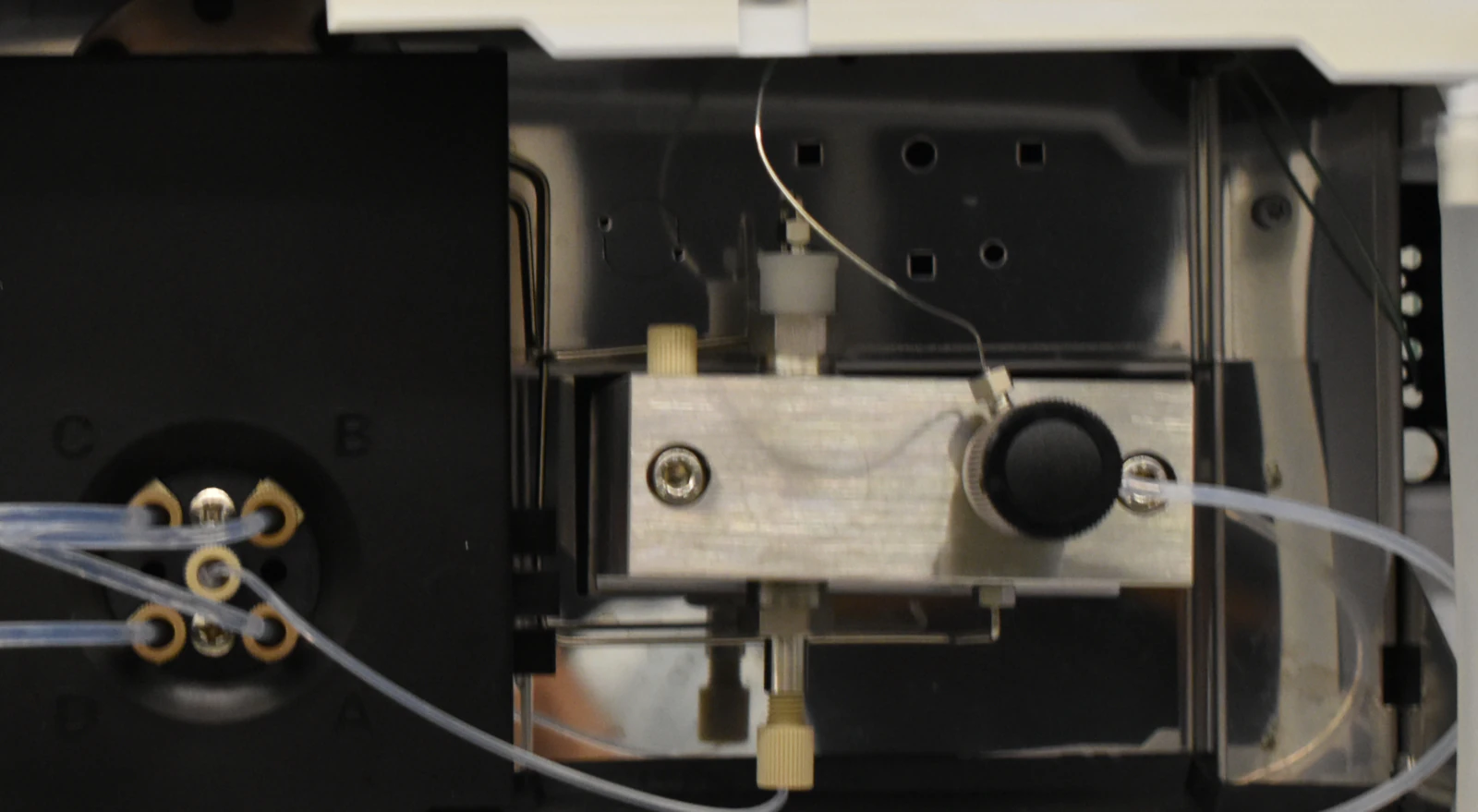
When to Replace HPLC Pump Pistons Versus Seals
A Practical Diagnostic Guide for Maintaining Flow Accuracy and Pump Reliability
Overview
Reliable HPLC pump performance depends critically on two wear-sensitive components: the piston seal and the pump piston itself. Although both components operate together, they fail for different reasons, produce distinct symptoms, and require different corrective actions. Misdiagnosing seal wear as piston damage—or vice versa—leads to unnecessary part replacement, repeated failures, and avoidable instrument downtime.
This technical guide explains when to replace piston seals versus when piston replacement is required, using observable symptoms, structured diagnostics, and defensible decision criteria. The goal is to preserve flow accuracy, pressure stability, and gradient performance while minimizing service interruptions and consumable costs.
Key Components and Technical Terms
Piston: A precision-ground reciprocating rod (typically sapphire or ceramic) that displaces solvent inside the pump head to generate flow and pressure.
Piston seal: A polymeric high-pressure seal (commonly UHMWPE, PTFE/PEEK composite, or filled PTFE) that prevents solvent bypass around the piston. Often includes a backup ring to prevent extrusion.
Wiper seal (front seal): A low-pressure lip or wiper that cleans the piston surface before it enters the high-pressure seal, excluding particulates and salt crystals.
Check valve: Inlet and outlet one-way valves that maintain directional flow; malfunction can closely mimic seal failure.
Seal wash: A low-pressure rinse system that flushes the piston exterior to prevent salt crystallization and abrasive wear.
Stroke volume: Volume displaced during each piston stroke; any internal leakage reduces effective stroke.
Compressibility compensation: Pump control adjustment accounting for solvent compressibility; excessive compensation often signals leakage or cavitation.
Accumulator / pulse damper: Device used to smooth pressure ripple; cannot compensate for true leakage or valve malfunction.
Typical Wear Patterns and Service Lifetimes
Piston seals are consumables and wear predictably with use. Abrasive particulates, buffers, salts, high pressure, and dry operation significantly accelerate wear.
Pistons (sapphire or ceramic) are long-lived components designed to survive multiple seal replacement cycles. Damage typically occurs due to particulate abrasion or salt crystallization, not normal operation.
General planning guidance (instrument- and duty-dependent):
Seals: Often replaced every few months in buffered service; longer intervals with clean organic solvents and seal wash.
Pistons: Commonly last years and multiple seal cycles unless surface damage occurs.
Always follow instrument-specific service manuals for definitive intervals.
Symptom Matrix: Seal vs Piston vs Check Valve
Indicators That the Piston Seal Should Be Replaced
Visible solvent at the pump head weep or drain port
Gradual pressure decay at constant flow; pressure improves temporarily after priming
Flow under-delivery that worsens as backpressure increases
Elevated compressibility compensation or repeated priming required
Salt crust formation near the seal or wiper area (especially after buffered runs without seal wash)
These symptoms indicate internal bypass past the seal, not piston damage.
Indicators That the Piston Requires Inspection or Replacement
Newly installed seals fail within hours to days
Increasing mechanical noise or friction during pump strokes
Visible scoring, haze, chips, or scratches on the piston surface under magnification
Unusual debris or discoloration embedded in removed seals
Elevated pressure pulsation that persists despite new seals and verified check valves
Any surface damage on the piston compromises seal integrity and causes rapid seal destruction.
Symptoms Suggesting Check Valve Issues (Before Replacing Pistons)
Pressure oscillations and flow instability without visible leakage
Excellent static pressure hold but poor priming or delayed pressure buildup
Air ingestion, microbubbles, or baseline ripple correlated with stroke frequency
Check valve fouling or sticking frequently mimics seal or piston failure and should be ruled out first.
Structured Diagnostic and Decision Workflow
1. Prime and Degas
Prime all solvent channels until bubble-free effluent is observed.
Verify degassing (online degasser or helium sparging).
Cavitation and entrained air can produce symptoms identical to seal leakage.
2. Static Leak-Down Test
Cap the pump outlet with a pressure-rated blank.
Pressurize to a moderate value within system limits (e.g., 200–300 bar).
Stop flow and monitor pressure for 2–5 minutes:
Rapid decay → internal leakage (seal or check valve)
Stable pressure → seals likely intact; investigate dynamically
3. Dynamic Pressure and Flow Test
Deliver isocratic flow into a known restriction at multiple flow rates.
Observe pressure ripple and stability.
Perform a gravimetric flow check:
Under-delivery increasing with pressure → seal bypass
Under-delivery present even at low pressure → inlet/degassing/valve issue
4. Visual Inspection
Remove the pump head per manufacturer instructions.
Inspect:
Seal lips for flattening, cuts, extrusion, or embedded crystals
Piston surface under magnification; any longitudinal damage warrants replacement
Wiper condition; damaged wipers dramatically shorten seal life
5. Check Valve Service
Ultrasonically clean or replace inlet and outlet check valves.
Re-test before concluding piston damage.
6. Final Decision Criteria
Replace seals only if piston surface is pristine and wear is consistent with normal use.
Replace piston and seals together if any piston damage is visible or seals fail prematurely.
Service check valves if instability persists with intact piston and new seals.
Root Causes and Preventive Measures
Particulates
Filter solvents (0.2–0.45 μm).
Maintain inlet frits and clean reservoirs.
Buffer Salts
Enable seal wash for buffered methods.
Flush with water after buffered runs, then displace with storage solvent.
Solvent Compatibility and pH
Match seal materials to solvent and pH range.
Avoid dry running; never allow the pump to aspirate air.
Mechanical Installation
Follow correct seal orientation and torque procedures.
Lubricate seals only with compatible solvent unless specified otherwise.
Replacement Best Practices
Seal-Only Replacement
Replace both high-pressure seal and wiper.
Clean the seal cavity carefully; avoid scratching the bore.
Verify performance with static and dynamic tests.
Piston-Plus-Seal Replacement
Mandatory when piston damage is present.
Always install new seals with a new piston.
Post-Service Verification
Thoroughly prime and purge.
Perform static leak-down, gravimetric flow, and pressure ripple checks.
Verify gradient accuracy using a UV tracer test.
Materials Selection Notes
Sapphire pistons: Hard, durable, tolerant of mechanical stress.
Ceramic pistons: Extremely smooth and wear-resistant but brittle.
Seal materials:
UHMWPE: Low friction, general-purpose
Filled PTFE / PTFE-PEEK: Enhanced chemical and extrusion resistance
Always consult compatibility charts for solvent and pH limits.
Maintenance Interval Guidance
Buffered or particulate-heavy use: inspect seals frequently (weeks to months)
Clean organic service: extended seal life
Pistons: inspect at every seal change; replace only on damage or repeated failures
Actual intervals depend on pressure, flow rate, solvent system, and duty cycle.
Quick Decision Checklist
Liquid at weep port → replace seals
New seals fail quickly → inspect/replace piston
Static pressure holds → check valves first
Flow loss worsens with pressure → seal bypass
Persistent pulsation with new seals → piston inspection
Summary
Piston seals are routine consumables and should be replaced at the first sign of leakage, pressure decay, or pressure-dependent flow loss.
Pistons are long-life components and should only be replaced when surface damage is confirmed or seals fail repeatedly despite proper installation.
Check valves frequently mimic both failure modes and must be evaluated before concluding piston damage.
Preventive practices—filtration, seal wash, flushing, and correct material selection—dramatically extend pump component life.