Column Aging and Gradual Retention Time Drift in HPLC
Learn how to troubleshoot Column Aging and Gradual Retention Time Drift in HPLC: checks, likely causes, and corrective actions to eliminate spikes and waviness.
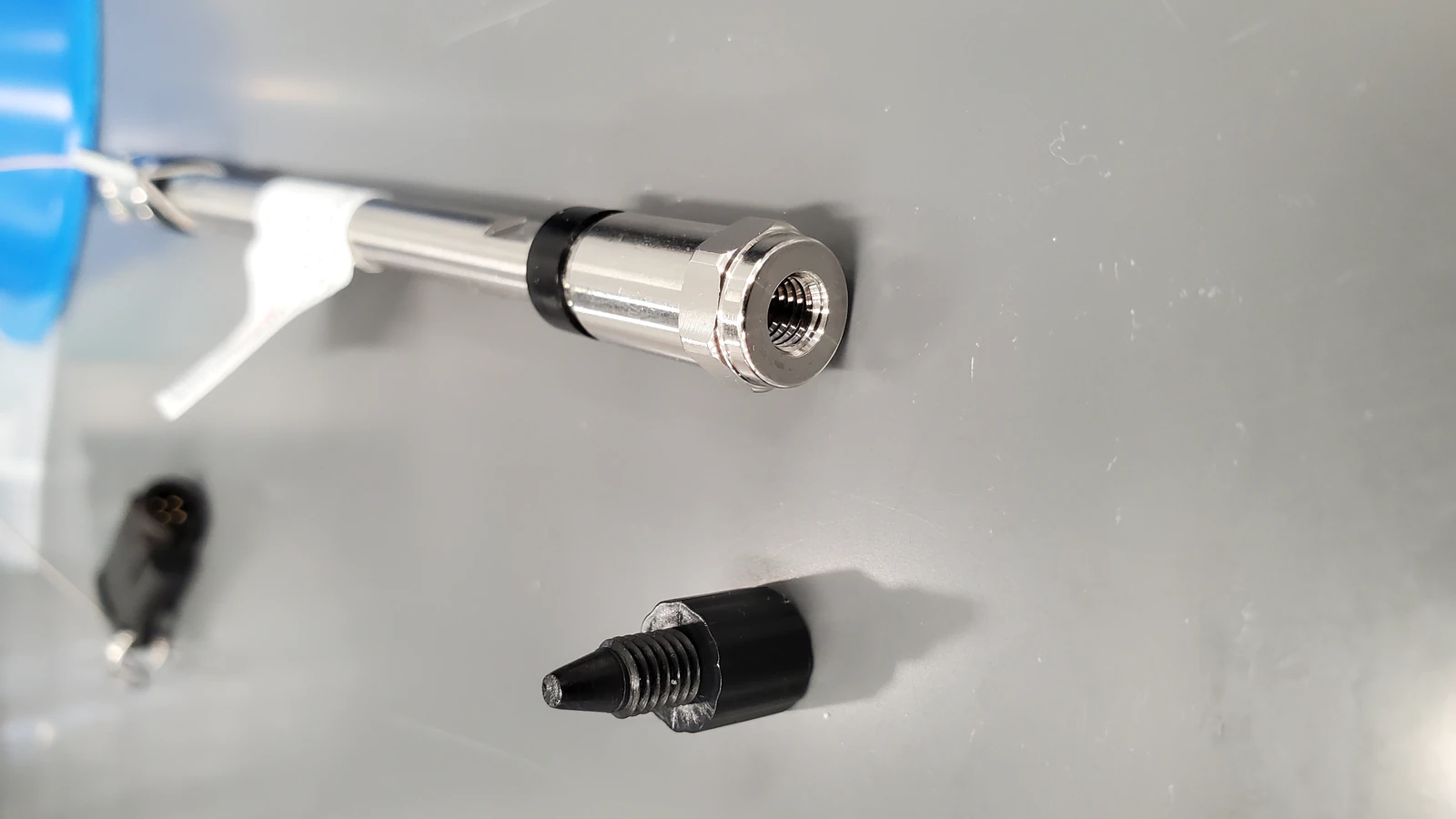
Column Aging and Gradual Retention Time Drift in HPLC: A Technical Troubleshooting and Method-Stability Guide
Context and Observed Symptoms
Gradual retention time (Rt) drift occurring over weeks to months is a common manifestation of column aging in reversed-phase HPLC. This drift may be subtle or pronounced, analyte-dependent, and often coincides with secondary changes in peak shape, selectivity, or system backpressure.
Typical observations include:
A progressive decrease in retention for hydrophobic analytes, reflecting loss of effective hydrophobic surface area.
Increasing retention variability for basic analytes due to rising silanol activity and secondary interactions.
A slow but continuous increase in backpressure, often linked to inlet frit fouling or head-of-column contamination.
Retention instability following high-aqueous operation, particularly when conventional C18 phases are used.
Retention drift may occur even when system parameters appear unchanged, making it essential to distinguish column aging effects from system-related contributors.
In practice, column lifetime ranges from tens to hundreds of injections for complex or dirty matrices and extends to thousands of injections for clean, well-prepared samples, depending on operating pH, temperature, and overall sample cleanliness.
Root Causes: Column Aging Mechanisms
Bonded-Phase Loss and Hydrolysis
Silica-based reversed-phase ligands undergo gradual hydrolysis during routine operation. This process is accelerated under extreme pH conditions and elevated temperatures.
As bonded ligands are lost:
Hydrophobic retention decreases.
Residual silanol groups become more exposed.
Secondary interactions, particularly with basic analytes, become more prominent.
Endcapping Degradation and Silanol Reactivity
Endcapping is designed to mask residual silanol groups, but its effectiveness diminishes with column age. As endcapping degrades:
Basic compounds exhibit increased peak tailing.
Retention times become less reproducible.
Compound-dependent Rt drift becomes more pronounced.
Phase Collapse in Aqueous-Rich Mobile Phases
Under highly aqueous conditions, conventional reversed-phase materials may experience dewetting of the stationary phase. This leads to:
Reduced effective surface contact.
Apparent loss of retention.
Run-to-run variability, especially following prolonged aqueous holds.
Organic pre-wetting steps or the use of aqueous-stable or polar-embedded stationary phases mitigate this mechanism.
Surface Fouling and Active-Site Contamination
Strongly retained matrix components such as lipids, proteins, surfactants, or polymeric species may adsorb irreversibly near the column inlet.
Consequences include:
Gradual backpressure increase.
Shifts in early-eluting peak retention.
Increased variability and loss of efficiency.
Frit Clogging and Bed Distortion
Fine particulates may accumulate at the inlet frit, altering flow distribution. Over time, this can result in:
Microchanneling.
Distorted velocity profiles.
Changes in both retention and peak symmetry.
Oxidative and Solvent-Related Damage
Organic solvents containing peroxide impurities or aggressive solvent systems can accelerate ligand degradation and surface damage, shortening column life and destabilizing retention behavior.
System Contributors to Retention Drift (Non-Column Factors)
Mobile Phase Composition Variability
Small deviations in organic solvent fraction can produce measurable changes in retention. Additionally:
Buffer pH and ionic strength may drift due to CO₂ absorption.
Volatile acids may change concentration over time, especially during extended use.
Temperature Control and Thermal Stability
Retention is inherently temperature-dependent. Minor temperature fluctuations caused by:
Inadequate oven equilibration,
Poor solvent preheating,
Ambient laboratory changes
can all contribute to apparent Rt drift.
Flow Rate Accuracy and Pump Performance
Wear-related issues such as seal degradation, check-valve leakage, or incorrect compressibility compensation affect delivered flow, altering retention without visible pressure alarms.
Gradient Mixing Accuracy and Dwell Volume
Changes in gradient proportioning accuracy or differences in dwell volume between instruments affect solvent composition reaching the column, shifting retention in gradient methods.
Autosampler and Injection Conditions
Retention artifacts may arise from:
Sample diluents stronger than the initial mobile phase.
Inconsistent injection volumes.
Carryover effects impacting early-eluting analytes.
Diagnostic Workflow (Stepwise)
Column-Focused Checks
Replace the column with a fresh, identical unit and compare retention and selectivity using a standard mixture.
Remove the guard column temporarily; restoration of performance indicates guard fouling.
Perform targeted washing:
Flush with a mixed aqueous/organic solvent to remove moderately retained contaminants.
Follow with a strong organic solvent to dissolve hydrophobic residues.
Optionally introduce amine-containing solutions to temporarily passivate exposed silanols.Evaluate potential phase collapse by applying an organic pre-wetting step followed by controlled re-equilibration.
System-Focused Checks
Verify oven temperature stability and allow sufficient equilibration time.
Confirm delivered flow using a gravimetric approach.
Assess gradient accuracy using a UV-visible tracer compound.
Ensure proper degassing and solvent delivery.
Prepare fresh buffers and verify pH under operating conditions.
Match sample diluent strength to initial mobile phase conditions and confirm injection precision.
Corrective Actions
Mobile Phase and Method Control
Standardize solvent preparation using calibrated volumetric techniques.
Minimize buffer exposure to atmospheric CO₂.
Align dwell volume behavior across instruments or compensate during method transfer.
Column Care and Regeneration
Implement routine regeneration cycles combining strong organic flushing and aqueous re-equilibration.
Address silanol activity through low-level amine modifiers or appropriate stationary phase selection.
Prevent phase collapse with organic preconditioning steps.
Replace guards and inlet frits based on pressure trends rather than failure alone.
Instrument Maintenance
Replace pump seals and check valves according to maintenance schedules.
Verify degasser efficiency and autosampler cleanliness.
Periodically calibrate oven temperature and flow delivery.
Preventative Practices and Acceptance Criteria
Equilibration Discipline
Allow sufficient column volumes for equilibration after solvent or gradient changes.
Sample Cleanliness
Apply filtration or sample cleanup techniques to minimize fouling.
Storage and Operating Windows
Avoid long-term storage in aqueous or buffered solutions.
Operate within validated pH and temperature limits to preserve bonded-phase integrity.
System Suitability Monitoring
Define acceptance criteria for:
Retention time stability.
Resolution of critical pairs.
Peak symmetry.
Backpressure consistency.
Special Cases and Recognition Patterns
Large hydrophobic Rt shifts after aqueous holds suggest phase collapse.
Increasing tailing and variability for bases indicate silanol exposure.
Backpressure creep with loss of early resolution points to matrix fouling.
Documentation and Trending
Maintain detailed column usage logs.
Track retention factors and resolution versus injection count.
Use control charts to identify early signs of instability.
Brief Summary
Gradual retention time drift arises from a combination of column aging mechanisms and system-related variables. A structured diagnostic approach—progressing from solvent integrity and temperature control through flow, gradient, and column condition—allows efficient identification and correction of the underlying cause. Preventative practices significantly extend column lifetime and improve long-term method robustness.